
I was an apprentice at Anima, when one day my manager walked over to my desk and asked: “We’d like an app. Do you know how to make one?” I said yes, though in truth, I didn’t.
That answer was the beginning of one of the most important projects of my career.
Challenge
At the time, I had never created an app before. Not only that, the team around me also didn’t have an idea of what was needed to make an app. So I figured, a good place to start was googling: “how to design an app.” The search led me to a guide that instructed me to start with the basics; what and why, and luckily, I decided to follow it.
Discovery
Product Discovery
Leadership had an idea; they wanted an app where people could find vegetarian/vegan restaurants and cafés on the go. They also wanted to share materials like recipes, and promote their organisation. I guess you could call it a bit of a PR stunt–all the cool kids had an app.
I planned and facilitated meetings with leadership to uncover who it was for and what it needed to do. The intention wasn’t only for the design, but also creating a shared understanding of the project and agreeing on what a successful result would look like.
The outcome of the meetings was a design brief, a functional specification, a clear direction and (mostly) managed expectations. Next up; the people. it was for.
User Discovery
I recruited participants who matched our target audience and combined interviews with paper prototype testing using very early wireframes.
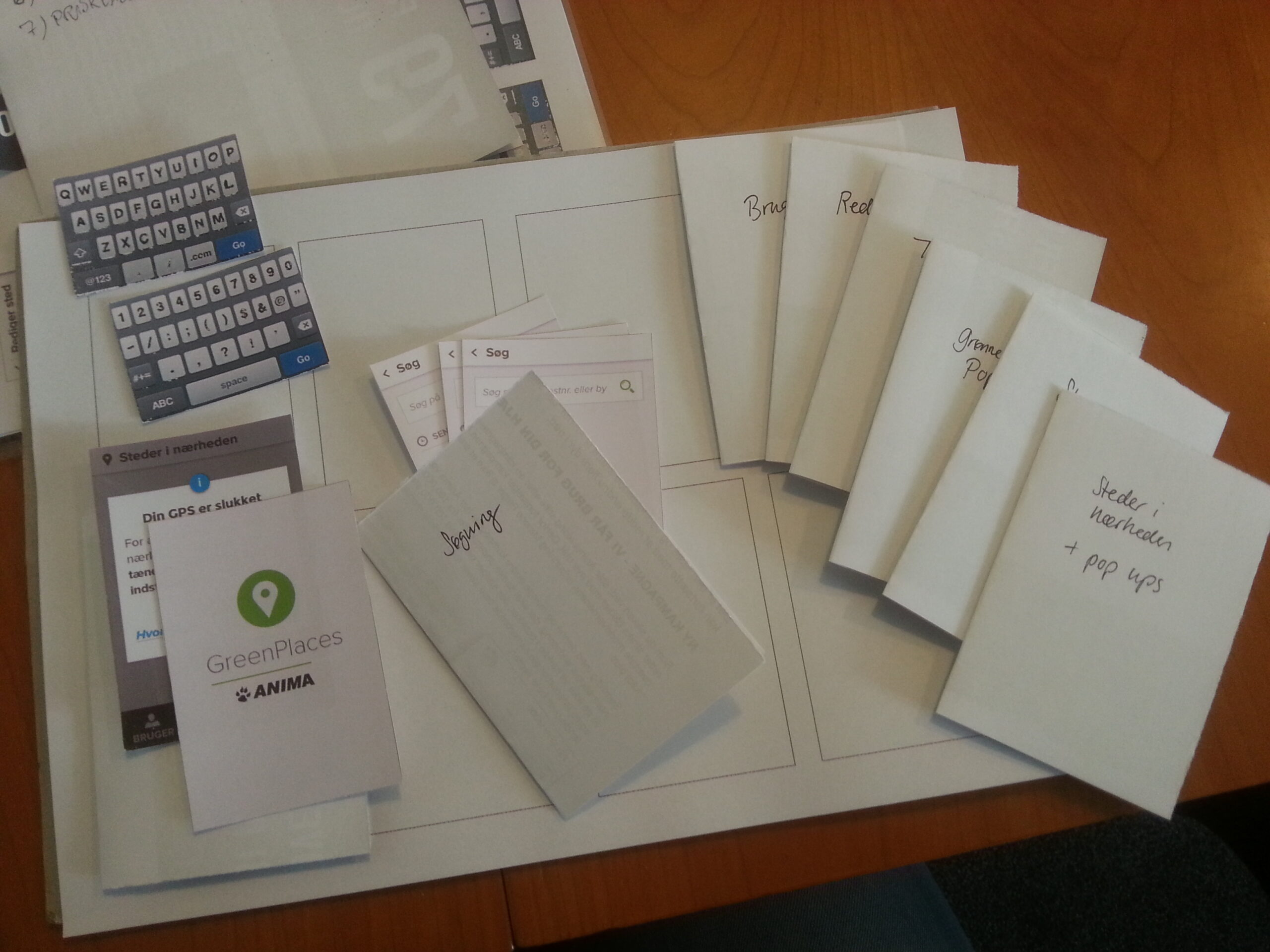
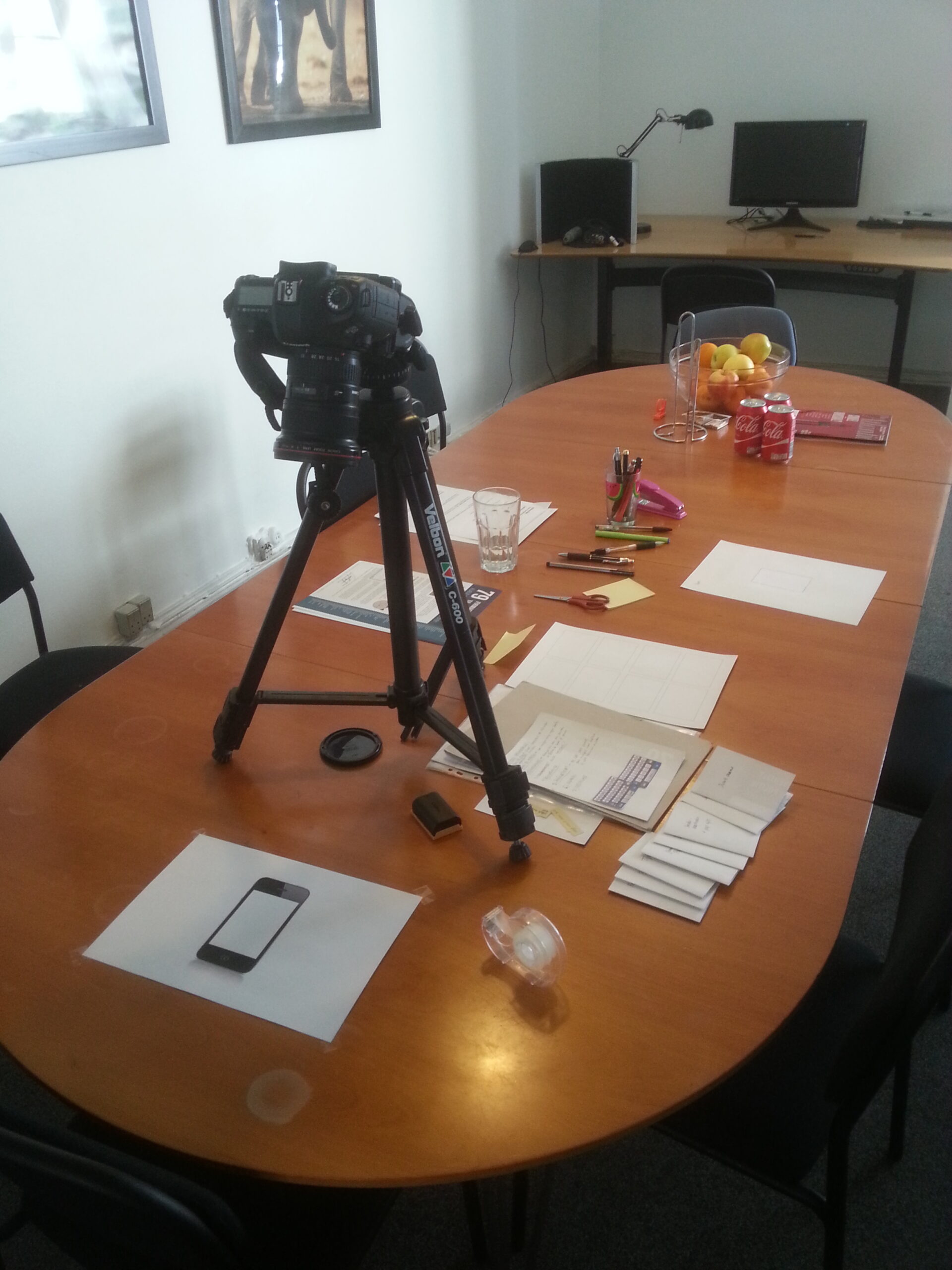
The goal wasn’t to validate polished designs, but to learn how people already found vegetarian and vegan options, and which apps they use the most in their day to day. Combining interviews with early paper prototype testing meant I could quickly test overall structure and flow.
I planned the sessions down to the last minute like the guide said, and it really paid off.
User experience
I experienced first hand how important it was to create a good interview session. I made people feel welcome, served a refreshment, made sure to small talk, properly inform them of the project, and assure them their answers wouldn’t end up on social media. At the end of it, it felt like they had enjoyed the session as much as I had. In my very first UX project, I learned it’s important to create a good user experience around user experience.
Strategy
My strategy was to create clarity before making decisions. This was especially important as I had no prior experience to lean on. A big part of my time spent was researching and learning, and I loved it. All the answers I needed could be found, I just had to ask the questions.
My strategy was to create clarity before making decisions
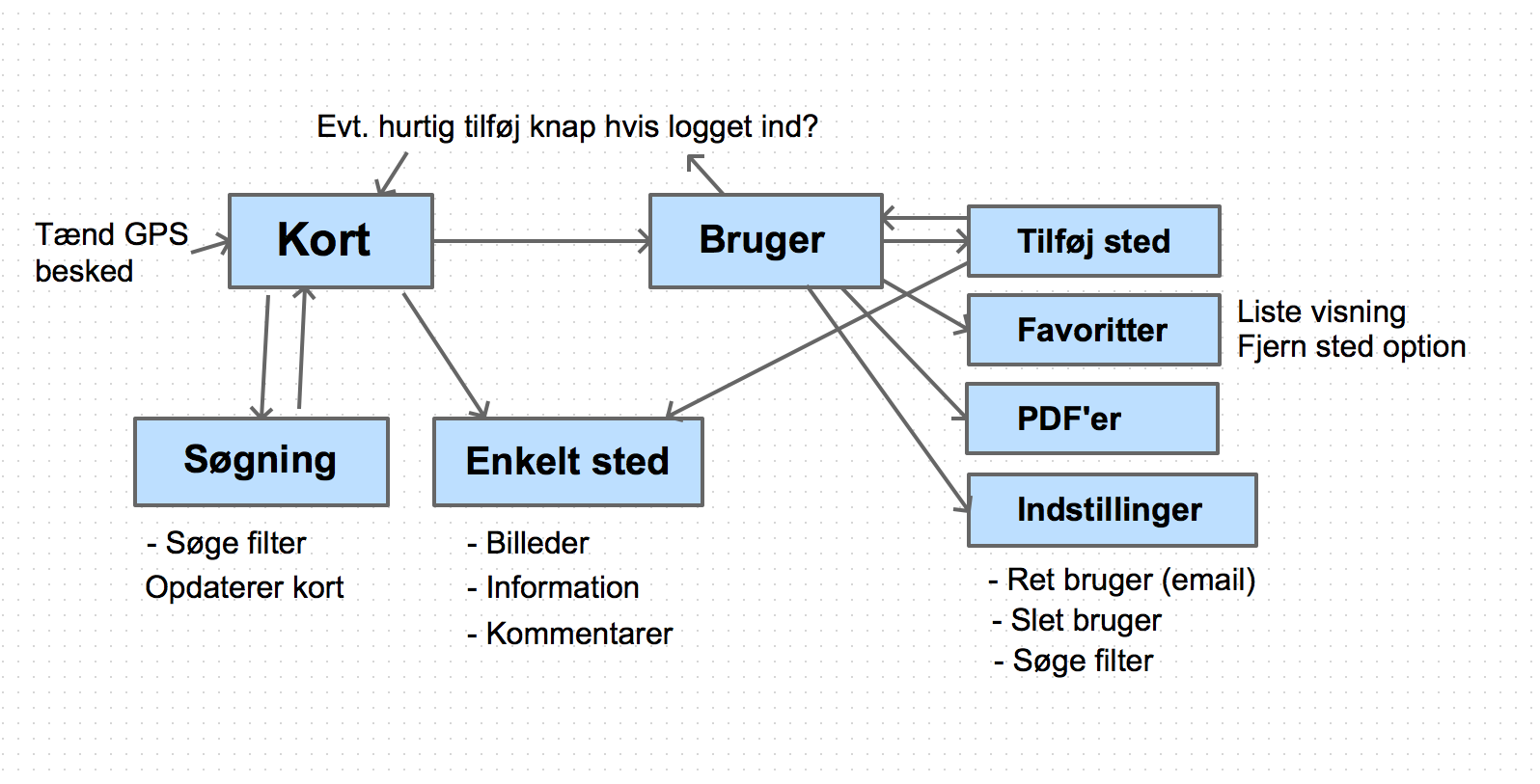
That also meant looking at the architecture and flow.
Contribution
- Clarified the project scope through a design brief and functional specification.
- Planned the product structure, sitemap and user flows.
- Designed paper prototypes and interactive UI mockups.
- Planned and conducted two rounds of user testing using paper prototypes and an interactive Marvel prototype.
- Documented research findings, usability issues and design decisions throughout the project.
- Prioritised improvements and iterated on the design between test rounds.
- Delivered the final interface designs and supporting documentation for development.
- Collaborated closely with the developer throughout implementation.
- Reviewed completed features, provided feedback and supported the delivery of the final product.
Outcome
The project resulted in a fully designed and developed mobile app where people could discover—and add—vegetarian and vegan cafés and restaurants, while also giving Anima a platform to share recipes and promote the organisation.
The app was launched and used by many of Anima’s own volunteers who shared the places they knew with each other within the vegan community.
Working closely with the developer throughout implementation also gave me my first experience of taking a product all the way from an idea to a finished release.

Learnings
This project taught me that launching a product is just the beginning.
A product needs ownership, continuous feedback and ongoing development to keep growing valuable over time. Looking back, I think Animapp had real potential. But it didn’t have someone to keep evolving the experience.
But most importantly, it was the project that made something very clear to me. I had so much fun while doing it, especially shaping the product itself—understanding problems, testing ideas and working closely with people both from inside and outside the company to bring something to life.
Because of it, I knew I wanted to pursue a career working with digital products.